Nutrition & Diet
Fish Oil vs Krill Oil: Which Is Better for Omega-3?
Fish oil vs krill oil — which is better for omega-3? EPA/DHA, absorption, dosage and purity compared.
Read the guide →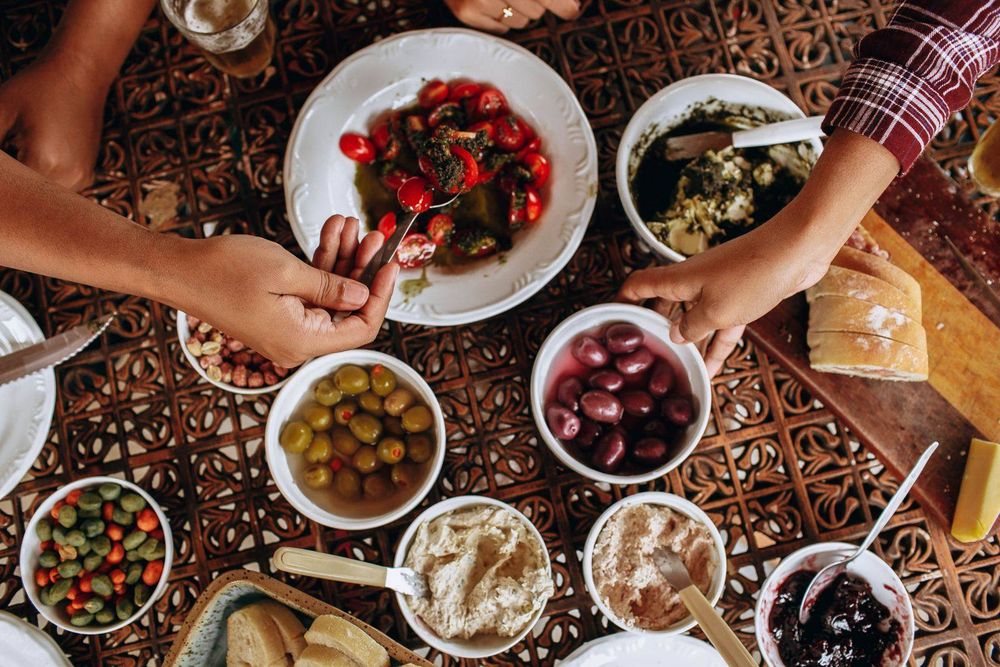
The Mediterranean diet is not a strict diet — it is a way of eating based on the traditional foods of countries around the Mediterranean Sea: plenty of vegetables, fruit, whole grains, beans, olive oil and fish, with little red meat and few processed foods. It is one of the most studied eating patterns in the world, linked with better heart health and healthy ageing. This beginner's guide explains the Mediterranean diet food list, how to choose olive oil, a Mediterranean diet meal plan for beginners that you can start this week, how to follow it on a budget, and the common mistakes that trip people up — so you can start this week without counting calories or buying expensive ingredients.
The Mediterranean diet is based on the traditional eating patterns of Greece, southern Italy, Spain and other countries around the Mediterranean Sea, as they were in the 1960s. It is not a single menu and there is no official rulebook — it is a pattern: vegetables and fruit at every meal, whole grains, beans and lentils, olive oil as the main fat, herbs instead of salt, fish twice a week, poultry and eggs in moderation, nuts most days, and red meat, butter, sweets and highly processed foods only rarely.
It is also more than food. The traditional pattern includes eating together, taking time over meals, and being physically active — the social side is part of why it works. What makes it different from most diets is that nothing is banned outright and there is no calorie counting. The focus is on the quality of the foods you eat most often, not on restriction. That is one reason people find it easier to stick to than strict diets: it is a lasting way of eating, not a short programme.
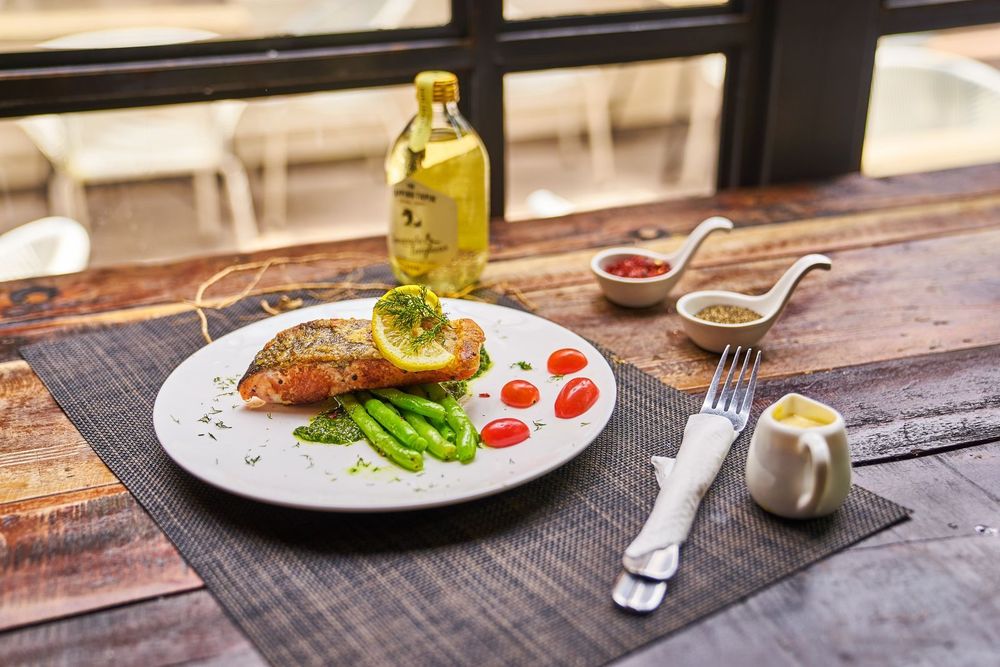
Daily foods form the base of the pyramid. Vegetables and fruit at every meal — aim for a variety of colours, and fill half your plate with vegetables. Whole grains — wholemeal bread, brown rice, oats, wholewheat pasta and bulgur wheat. Beans and lentils — chickpeas, kidney beans, lentils and broad beans, which are cheap, filling and rich in fibre. Olive oil as the main fat, used for cooking and dressings. Herbs and spices — garlic, oregano, basil, rosemary and lemon — instead of salt.
Weekly foods add variety. Fish at least twice a week, with at least one portion of oily fish such as salmon, sardines or mackerel. Poultry and eggs in moderation — a few times a week rather than daily. Nuts — a small handful most days — walnuts, almonds and hazelnuts are traditional choices. Dairy in moderation, mainly yoghurt and cheese. Rarely: red meat, butter, sweets, sugary drinks and highly processed foods. Drink water as the main drink; wine, if at all, only in moderation with meals — and never as a health requirement.
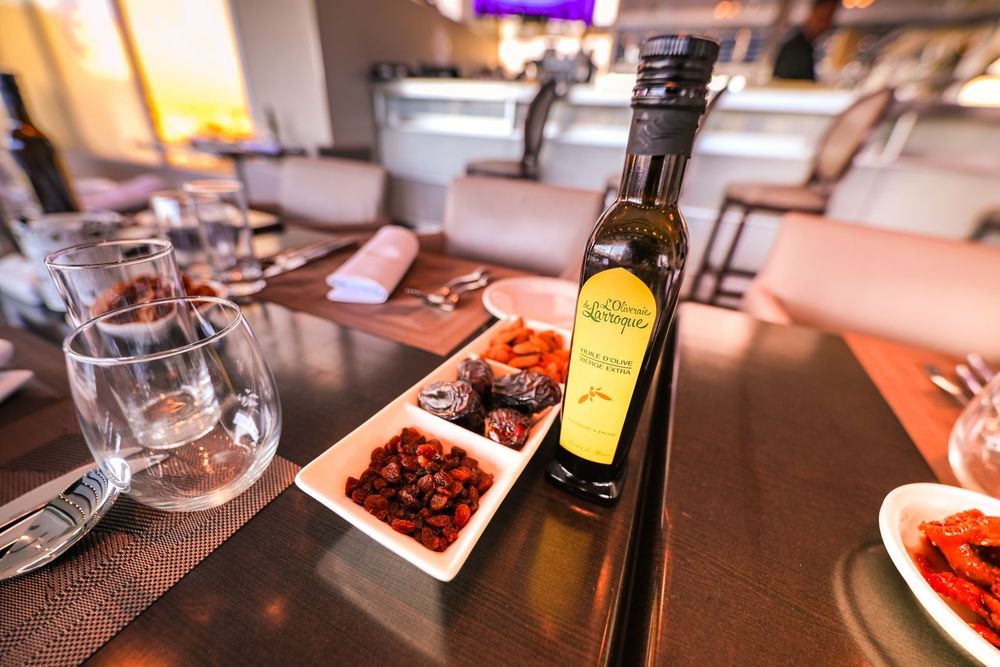
Extra-virgin olive oil is the main fat in the Mediterranean diet, and choosing a good one matters. Look for cold-pressed, single-origin oil, ideally in a dark glass bottle or tin, which protects it from light. Check the harvest date if it is printed — fresher is better, and oil that is more than a year or two old may have lost flavour and quality. A good olive oil tastes fruity with a slight peppery bite at the back of the throat; that bite is a sign of the polyphenols that make olive oil interesting.
Use it as your main cooking fat and for dressings, but remember that it still contains calories — about 120 per tablespoon — so it replaces other fats rather than adding on top of them. You do not need the most expensive bottle on the shelf: a mid-priced extra-virgin oil from a reputable producer is fine for everyday cooking and salads. Store it in a cool, dark cupboard, keep the lid closed, and do not keep it next to the hob, where heat degrades it. If it smells musty or rancid, throw it away.
A Mediterranean diet meal plan for beginners does not need to be complicated. Here is a simple pattern you can repeat. Breakfast: Greek yoghurt with fruit and oats, or wholemeal toast with tomato and olive oil. Lunch: a big salad with chickpeas, vegetables and feta, or lentil soup with wholemeal bread. Dinner: grilled fish with vegetables and potatoes, or a bean stew with whole grains. Snacks: fruit, a small handful of nuts, or yoghurt.
Across the week, aim for fish twice, beans or lentils three or four times, poultry once or twice, and red meat at most once. Keep one or two vegetarian days — beans and lentils make this easy and cheap. Cook in batches: a large pot of bean stew or lentil soup on Sunday can cover several lunches, and roasted vegetables keep well in the fridge. The goal is not perfection — it is to shift the balance of your week towards vegetables, beans, fish and olive oil, and away from processed foods and red meat.
Large studies link the Mediterranean pattern with lower risk of heart disease and stroke, better blood-sugar control, and healthy ageing. The best-known trial, called PREDIMED, followed thousands of people at higher risk of heart disease and found that a Mediterranean diet supplemented with olive oil or nuts was associated with a lower risk of major cardiovascular events compared with a low-fat diet. Other studies have found similar associations with blood pressure, cholesterol and blood-sugar control.
The pattern works as a whole — olive oil, fibre, fish, nuts and vegetables together — rather than through any single superfood. That is an important point, because it means you cannot get the benefit by adding olive oil to an otherwise unchanged diet, or by taking a fish oil capsule while eating mostly processed food. The benefit comes from the overall pattern: more plants, more fibre, more unsaturated fats, less processed meat and fewer sugary foods. It is also worth saying that the Mediterranean diet supports heart health as part of a healthy lifestyle — it does not treat or cure heart disease, and anyone with heart disease should follow their doctor's advice.
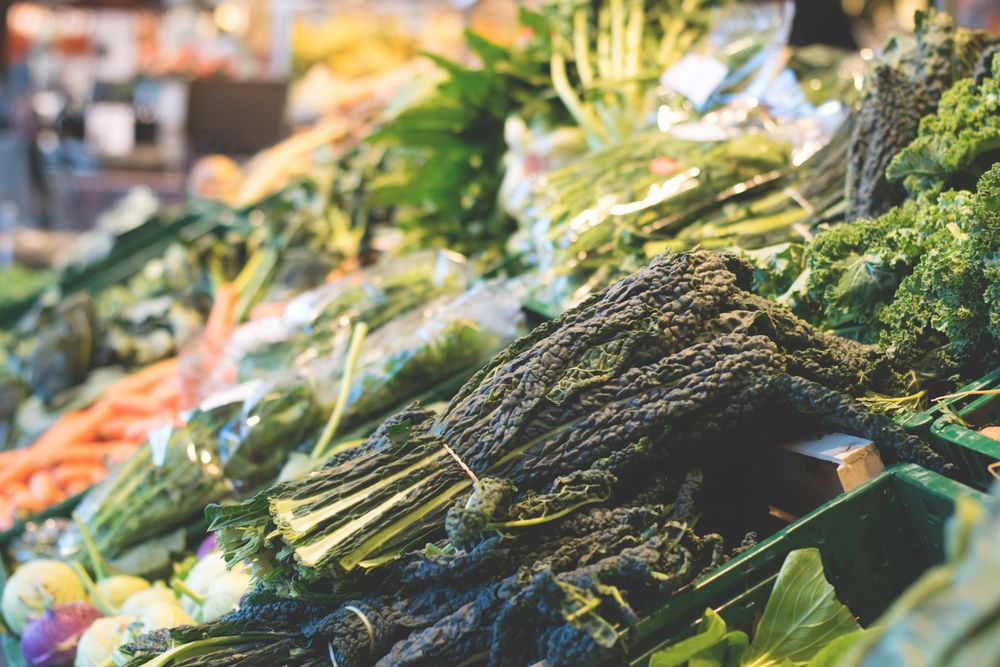
Is the Mediterranean diet expensive? It can be affordable: beans, lentils, seasonal vegetables and whole grains are among the cheapest foods available. The expensive parts are oily fish, nuts and good olive oil — but there are budget-friendly options for each. Tinned sardines and frozen fish cost far less than fresh salmon. A small handful of nuts a day is affordable if you buy them in bulk and skip the salted, honey-roasted varieties. A mid-priced extra-virgin olive oil is fine for everyday use.
Other ways to keep costs down: buy vegetables in season, when they are cheapest and taste best; use frozen vegetables, which are just as nutritious as fresh; cook beans and lentils from dried rather than tinned; and plan meals around what is on offer rather than a fixed menu. Reduce red meat and you will save money automatically, because meat is usually the most expensive item on the plate. A Mediterranean week built on beans, lentils, seasonal vegetables and whole grains can cost less than a week built on meat and processed foods.
The commonest mistake is adding olive oil to an otherwise unchanged diet. The pattern replaces unhealthy fats — it does not add on top of them. If you pour olive oil over the same meals, you add calories without changing the pattern. Swap butter for olive oil, and use it for cooking and dressings, rather than adding it as an extra.
Another mistake is eating lots of pasta and bread but few vegetables. Grains should be whole, and vegetables are the base — pasta is a vehicle for vegetables and beans, not the main event. A third mistake is treating the diet as a short programme instead of a lasting way of eating: the benefits come from months and years of the pattern, not from a two-week attempt. Finally, do not be fooled by foods labelled Mediterranean that are not part of the pattern — white bread with olive oil, processed meats and sugary snacks are not Mediterranean just because they come from a Mediterranean country.
No counting calories is needed — focus on food quality. That is one of the attractions of the Mediterranean diet, and it is broadly true: people who follow the pattern tend to maintain a healthy weight without counting, because the foods are filling — high in fibre, with plenty of vegetables and protein from beans, fish and yoghurt. But it is not a free pass. Olive oil, nuts and cheese are all healthy foods that are also high in calories, and portions still matter.
If weight loss is your goal, the Mediterranean pattern is a good framework, but watch portions of the calorie-dense foods: a tablespoon or two of olive oil rather than a free pour, a small handful of nuts rather than a large bowl, and cheese as a flavouring rather than a main course. Fill half your plate with vegetables at every meal — that single habit does more for weight than any calorie app. And remember that physical activity is part of the traditional pattern: a daily walk is not optional extra, it is part of the way of life.
The Mediterranean pattern is safe for most people. If you have diabetes, kidney disease or a nut allergy, adapt it with your doctor or dietitian — for example, watch portions of fruit and grains if you manage blood sugar, and watch potassium-rich foods if you have kidney disease. People with coeliac disease can follow the pattern with gluten-free grains. It is a general eating pattern, not a medical treatment, and it should be adapted to individual needs.
One caution: wine is sometimes presented as part of the diet, but alcohol is not required and is not a health food. If you do not drink, do not start for the sake of the diet. If you do drink, keep it moderate and with meals. Pregnant women should avoid alcohol entirely. If you take blood thinners, mention any major change in diet — particularly in green vegetables, which contain vitamin K — to your doctor. For most people, though, the Mediterranean diet is one of the safest and most flexible eating patterns available.
Start small: first, switch your cooking fat to extra-virgin olive oil. Second, add one extra vegetable to lunch and dinner. Third, replace one red-meat meal with beans, lentils or fish. Fourth, keep a bowl of fruit on the table instead of sweets. These four changes alone shift your week noticeably towards the Mediterranean pattern, without any dramatic overhaul.
In the second week, add fish twice a week, keep a small handful of nuts as your usual snack, and try one new bean or lentil dish. Cook one batch meal at the weekend so that healthy lunches are ready during the week. Supplements such as omega-3 or vitamin D can support this pattern, but food comes first — a supplement cannot replace the pattern. Give it a month, and judge it by how you feel and how easy it is to keep going, not by a single week. The Mediterranean diet works because people can follow it for years, and that is the real test of any way of eating.

| Product | Form | Dose | Notes |
|---|---|---|---|
| Bertolli Extra-Virgin Olive Oil 500 ml | Food | Daily cooking | Look for cold-pressed, single origin. |
| Nature Made Fish Oil 1000 mg | Softgel | 250–500 mg EPA+DHA / day | Complements the diet's fish intake. |
| Planters Unsalted Mixed Nuts | Food | Small handful / day | Walnuts, almonds and hazelnuts. |
The products below are real products from well-known brands, shown so you can compare forms and doses. Prices and review scores change often — always check the label and the live price before you buy.
No. Choose whole-grain versions, keep portions moderate, and fill half the plate with vegetables.
It can be affordable: beans, lentils, seasonal vegetables and whole grains are cheap. Oily fish and nuts cost more — tinned sardines and frozen fish are budget-friendly options.
Start small: switch to olive oil, add an extra vegetable to lunch and dinner, replace one red-meat meal with beans or fish, and keep fruit on the table instead of sweets.
Yes, but rarely. Red meat is eaten only occasionally; poultry and eggs are eaten in moderation, and fish is the main animal protein.
No — the focus is on food quality. But portions of calorie-dense foods such as olive oil, nuts and cheese still matter if weight loss is your goal.
The pattern is associated with better blood-sugar control, but people with diabetes should adapt portions of fruit and grains with their doctor or dietitian.
Yes — beans, lentils, vegetables, whole grains, olive oil and nuts are already the base. Fish is optional; vegetarians can use algal oil for omega-3.
Fish oil vs krill oil — which is better for omega-3? EPA/DHA, absorption, dosage and purity compared.
Read the guide →
Best omega-3 fish oil supplement for women — 10 products compared on EPA/DHA, purity and price.
Read the guide →
Vitamin D deficiency symptoms in women — causes, the right dosage, benefits and the best forms of vitamin D3.
Read the guide →