
Nutrition & Diet
Mediterranean Diet Meal Plan for Beginners: 7-Day Guide & Benefits
Mediterranean diet meal plan for beginners — a 7-day guide, benefits, foods to eat and avoid.
Read the guide →
Omega-3 fatty acids — mainly EPA and DHA — are essential fats your body cannot make in useful amounts. They support heart health, brain function and eye health. Most people do not eat enough oily fish, which is why fish oil is one of the most popular supplements in the world. But choosing a good product is harder than it looks: a capsule labelled 1,000 mg of fish oil may contain only 300 mg of EPA and DHA, and quality varies widely. This guide explains EPA vs DHA, how much omega-3 per day you need, the best fish for omega-3, fish oil vs krill oil which is better, and how to read a fish oil label — so you pay for the fats that matter, not for filler oil.
There are three main omega-3 fats, and they are not interchangeable. EPA (eicosapentaenoic acid) and DHA (docosahexaenoic acid) come mainly from oily fish and algae, and they are the forms your body uses directly for heart, brain and eye health. ALA (alpha-linolenic acid) comes from plant foods such as flaxseed, chia seeds and walnuts. The body can convert ALA into EPA and DHA, but only in small amounts — typically less than 10 percent — so ALA alone is not a reliable way to get enough EPA and DHA.
DHA is especially important for the brain and eyes: it is a major structural fat in the brain and the retina, and it contributes to the maintenance of normal vision. EPA is more closely linked with heart health and with keeping triglyceride levels in the normal range. Most fish oil supplements contain both, and for general health a combination is the sensible choice. If you are pregnant, DHA deserves special attention, because it supports the baby's brain and eye development — follow your doctor's advice on dose.
Health authorities suggest about 250–500 mg of combined EPA + DHA per day for general health. That is roughly the amount you get from eating oily fish twice a week. Higher doses — up to 3,000 mg per day — are used for triglycerides, but only on medical advice, because high doses increase bleeding risk and can cause stomach upset.
The most common mistake is to read the front of the bottle instead of the back. A capsule labelled 1,000 mg fish oil may contain only 300 mg of EPA + DHA, which means you would need two capsules a day to reach 500 mg — and the bottle would last half as long as you expected. Always check the supplement facts panel for the EPA and DHA amounts per capsule, and add them together. If the label does not state EPA and DHA separately, choose a different product. A high-potency product with 600 mg or more of EPA + DHA per capsule is often better value, even if the bottle costs more.
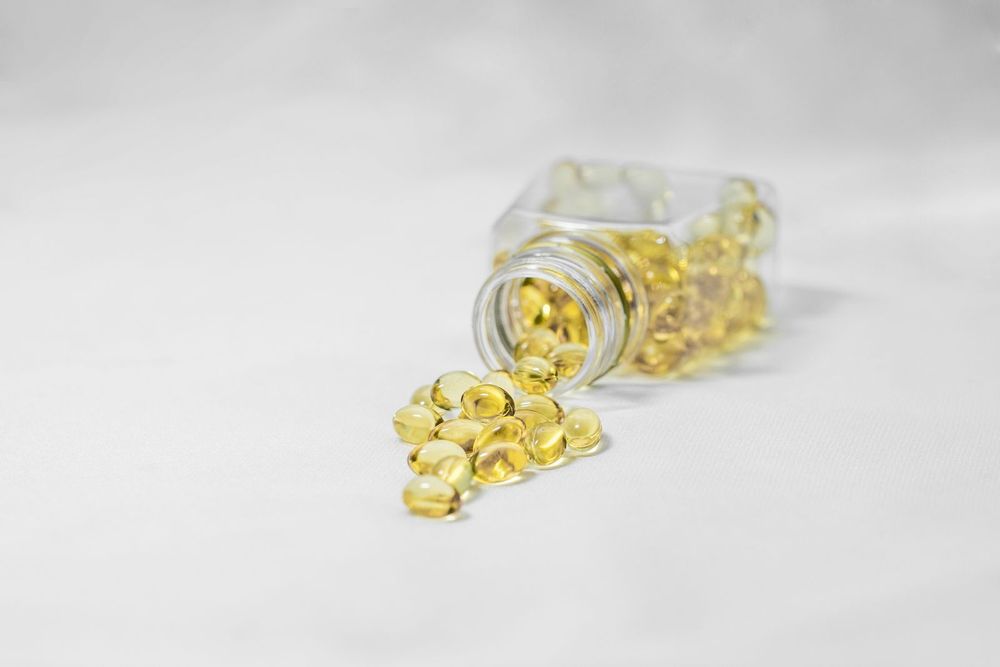
The best fish for omega-3 are oily fish: salmon, sardines, mackerel, herring and trout. Salmon is the most popular choice and provides a good amount of EPA and DHA per serving, along with protein and vitamin D. Sardines are smaller fish, so they accumulate less mercury, and they are one of the most affordable oily fish — tinned sardines are an excellent budget option. Mackerel is very rich in omega-3 but can be higher in mercury, so it is best eaten in moderation.
White fish such as cod and haddock contain very little omega-3, so they do not count as oily fish for this purpose. Tinned tuna contains some omega-3 but less than salmon or sardines, and it can be higher in mercury, so it should not be your main source. The general advice from health authorities is to eat two portions of fish a week, one of which should be oily. If you do that, you probably do not need a supplement — but most people do not, which is where fish oil comes in.
Can vegetarians get omega-3? Yes — algal oil provides DHA and some EPA, and it is the source fish get their omega-3 from. Fish do not make omega-3 themselves; they accumulate it from the algae they eat. Algal oil is therefore a direct, vegetarian source, and it is the best option for people who do not eat fish. Flaxseed provides ALA, which the body converts to EPA and DHA only in small amounts, so flaxseed oil alone is not enough.
Algal oil products usually provide 200–300 mg of DHA per capsule, sometimes with a smaller amount of EPA. That is enough for general health, though it may not match the EPA content of a fish oil capsule. Algal oil is also free from the fishy taste and smell that put some people off fish oil, and it avoids concerns about mercury and ocean contaminants. It is usually more expensive than fish oil, but for vegetarians and vegans it is the clear choice — and it is increasingly recommended by dietitians as the default vegetarian omega-3.
Omega-3s contribute to the normal function of the heart, and they help keep triglyceride levels in the normal range. Large studies link regular oily fish consumption with better cardiovascular health, and health authorities recommend fish as part of a heart-healthy diet. But it is important to be honest about supplements: fish oil does not cure heart disease, and the evidence for fish oil capsules preventing heart attacks is mixed. Some large trials have found benefit, particularly at higher doses for people with high triglycerides, while others have found little effect.
The most reliable conclusion is that omega-3 supports normal cardiovascular health as part of a healthy diet — not as a standalone treatment. Eating oily fish twice a week, keeping saturated fat low, not smoking, exercising and maintaining a healthy weight matter far more than any single supplement. If you have heart disease or high triglycerides, talk to your doctor about whether a prescription-strength omega-3 is appropriate, rather than self-treating with a shop-bought product.

DHA is a major structural component of the brain and the retina, and it contributes to the maintenance of normal brain function and normal vision. This is why DHA is emphasised during pregnancy and early childhood, when the brain and eyes are developing rapidly, and why it is studied in relation to memory in older adults. The evidence for fish oil improving memory in healthy adults is modest — it is not a brain-boosting pill — but maintaining adequate DHA over a lifetime is a sensible part of supporting brain health.
For eye health, DHA contributes to the maintenance of normal vision, and omega-3 is studied in relation to dry eye, where some people find it helpful. Again, the effects are modest and not guaranteed. The practical message is the same as for heart health: get your omega-3 from oily fish when you can, use a supplement to fill the gap when you cannot, and do not expect a single nutrient to compensate for poor sleep, smoking, or a diet low in vegetables and whole foods.
How do you choose a good fish oil? Look for four things. First, EPA + DHA content per capsule — not just total oil. Second, third-party testing for purity: choose products tested for mercury and oxidation, and look for testing schemes such as IFOS. Third, freshness: rancid oil smells strongly fishy, and a fresh product should have only a mild smell. If your capsules smell strongly of fish when you open the bottle, or if they give you fishy burps every time, the oil may be oxidised — store it in a cool place, or in the fridge, and consider switching brands.
Fourth, the form of the oil. Most products contain triglyceride or ethyl ester forms; the triglyceride form is absorbed slightly better, but the difference is modest and the price difference is often larger. Enteric-coated capsules can reduce fishy burps. Avoid products that do not state EPA and DHA amounts, that make dramatic health claims, or that are suspiciously cheap for the dose they claim. A reputable brand, a clear label and third-party testing are worth more than a bargain price.
Fish oil is safe at recommended doses. Common side effects are fishy burps, mild stomach upset and loose stools. Taking it with food, choosing an enteric-coated product, and keeping the bottle cool or refrigerated all help with burps. High doses can increase bleeding risk — tell your doctor if you take blood thinners or are scheduled for surgery, because you may need to stop fish oil before an operation.
Quality matters for safety too. Poorly stored or oxidised oil may contain harmful oxidation products, which is another reason to buy from a reputable brand and to discard a bottle that smells strongly rancid. People with fish or seafood allergies should avoid fish oil and choose algal oil instead. If you are pregnant, choose low-mercury fish and purified supplements, and follow your doctor's advice on DHA — the benefits of DHA in pregnancy are well recognised, but the source and dose should be chosen carefully.

People taking blood thinners, people with fish or seafood allergies, and anyone scheduled for surgery should talk to their doctor first. People with diabetes should also mention fish oil to their doctor, because very high doses can affect blood sugar control in some people. Children can take fish oil, but the dose should be appropriate for their age and weight — use a product made for children rather than an adult capsule.
Pregnant women should choose low-mercury fish and purified supplements, and follow their doctor's advice on DHA. If you have a bleeding disorder, or you bruise very easily, mention fish oil to your doctor before starting it. For most healthy adults, a daily dose of 250–500 mg of EPA + DHA is safe and straightforward — the caution applies mainly to higher doses, to people on blood thinners, and to those with allergies or upcoming surgery.
Fish oil goes rancid when exposed to heat, light and air, so storage matters. Keep the bottle in a cool, dark place — the fridge is ideal — and keep the lid tightly closed. Do not keep fish oil in a warm bathroom cabinet or on a sunny kitchen shelf. Buy smaller bottles if you use it slowly, so the oil does not sit open for months.
To reduce fishy burps, take your capsules with your largest meal, choose an enteric-coated product, and keep the bottle refrigerated — cold capsules dissolve further down the digestive tract, which reduces burps. If burps persist, try a different brand or switch to algal oil, which rarely causes them. A bottle that smells strongly fishy when opened, or capsules that taste rancid, should be thrown away rather than finished — oxidised oil is not worth taking, and a fresh bottle will be a better experience.

Omega-3 is often marketed for joint health, and there is some evidence behind it, though it is modest. EPA and DHA are involved in the body's inflammatory processes, and several studies in people with rheumatoid arthritis have found that fish oil can reduce joint tenderness and morning stiffness slightly, and may reduce the need for pain relief. The effect is small and takes weeks to appear — fish oil is not a painkiller, and it does not replace prescribed treatment for arthritis.
For ordinary osteoarthritis, the evidence is weaker. Eating oily fish twice a week as part of an overall healthy diet is a sensible habit, and a fish oil supplement is reasonable if you do not eat fish, but do not expect it to fix joint pain on its own. If joint pain is persistent, worsening, or accompanied by swelling, redness or fever, see your doctor — joint problems have many causes, and some need specific treatment that a supplement cannot provide.
Fish oil vs krill oil which is better is one of the most asked questions in the supplement aisle, and the honest answer is that both provide EPA and DHA, but they differ in form, dose and price. In fish oil, the omega-3s are mostly bound to triglycerides; in krill oil, they are mostly bound to phospholipids, a form the body may absorb slightly better. Krill oil also contains astaxanthin, the antioxidant that gives krill its red colour, which helps protect the oil from going rancid.
In practice, fish oil usually wins on value. A typical krill oil capsule provides less EPA and DHA than a standard fish oil capsule — often around 150–250 mg compared with 300–600 mg — and costs more per milligram. That means you may need more krill capsules to reach the same 250–500 mg daily target. Krill oil can be worth considering if fish oil gives you fishy burps, because the phospholipid form and the smaller capsules are often better tolerated, or if you simply prefer it. Whichever you choose, the same rules apply: check the EPA and DHA per capsule, look for third-party testing, and be wary of dramatic claims. For most people, a good fish oil is the better buy.
| Product | Form | Dose | Notes |
|---|---|---|---|
| Nature Made Fish Oil 1000 mg (300 mg EPA+DHA) | Softgel | 1–2 / day | Budget option; check the EPA/DHA per capsule. |
| Nordic Naturals Ultimate Omega 1280 mg (650 mg EPA + 450 mg DHA) | Softgel | 2 / day | Fewer capsules for the same dose. |
| Nordic Naturals Algae Omega (algal oil DHA) | Softgel | 2 / day | Vegetarian DHA source. |
The products below are real products from well-known brands, shown so you can compare forms and doses. Prices and review scores change often — always check the label and the live price before you buy.
Look for: EPA + DHA content per capsule (not just total oil), third-party testing for purity, and a fresh smell — rancid oil smells strongly fishy.
Yes — algal oil provides DHA and some EPA, and it is the source fish get their omega-3 from. Flaxseed provides ALA, which the body converts to EPA/DHA only in small amounts.
About 250–500 mg of combined EPA + DHA for general health. Higher doses up to 3,000 mg are used for triglycerides, but only on medical advice.
DHA is a structural fat in the brain and retina and supports vision; EPA is more linked with heart health and triglycerides. Most supplements contain both.
High doses can increase bleeding risk. Tell your doctor if you take blood thinners or are scheduled for surgery — you may need to stop fish oil beforehand.
Take capsules with food, choose an enteric-coated product, and store the bottle in the fridge. A strongly fishy smell usually means the oil is rancid — discard it.
Krill oil provides EPA and DHA in a different form and may be absorbed slightly better, but it is more expensive and usually provides a lower dose per capsule. For most people, a good fish oil is better value.
Mediterranean diet meal plan for beginners — a 7-day guide, benefits, foods to eat and avoid.
Read the guide →
Best omega-3 fish oil supplement for women — 10 products compared on EPA/DHA, purity and price.
Read the guide →
Vitamin D deficiency symptoms in women — causes, the right dosage, benefits and the best forms of vitamin D3.
Read the guide →