
Vitamins
Vitamin B12 Deficiency Symptoms in Women: Causes & Treatment
Vitamin B12 deficiency symptoms in women — causes, who is at risk, dosage and treatment.
Read the guide →
Vitamin D is unusual among vitamins: your skin makes it from sunlight, yet deficiency is one of the most common nutrient gaps in the world, especially in northern countries, in winter, and in people who spend most of their time indoors. It helps your body absorb calcium, supports normal immune and muscle function, and low levels are linked with tiredness and low mood. But how much do you actually need, what are the vitamin D deficiency symptoms in women, is vitamin D3 really better than D2, and can you get enough from food alone? This guide answers those questions with official guidance from health authorities, explains the best vitamin D dosage for adults over 50, and shows how to choose a supplement without wasting money or taking too much.
Vitamin D is technically a hormone as well as a vitamin. When sunlight hits your skin, it triggers a chain of reactions that produce vitamin D, which is then processed by the liver and kidneys into its active form. That active form helps your gut absorb calcium and phosphate, the minerals that keep bones and teeth strong. Without enough vitamin D, even a calcium-rich diet cannot protect your bones properly, which is why deficiency in adults is linked with bone pain, muscle weakness and a higher risk of fractures.
Beyond bones, vitamin D contributes to normal immune function and muscle function. Receptors for vitamin D are found in many tissues, including immune cells, which is one reason researchers study its role in infections. It is important to be honest here: vitamin D supports normal function, but it does not cure any disease. Low levels are linked with low mood and tiredness, but a supplement is not a treatment for depression or fatigue on its own. If you feel persistently tired or low, see your doctor rather than assuming a supplement will fix it.
Official guidance in the US and Europe is 600 IU (15 mcg) daily for most adults up to age 70, and 800 IU (20 mcg) after 70. The higher figure for older adults reflects the fact that ageing skin makes vitamin D from sunlight less efficiently, and older people often spend less time outdoors. Many people take 1,000–2,000 IU daily in autumn and winter when sunlight is weak, and this is within the range most health authorities consider safe for adults.
There is no single dose that suits everyone. Your ideal amount depends on your blood level, your age, your skin tone, how much sun you get, and whether you have a condition that affects absorption. If you are over 50 and rarely go outside, live in a northern climate, or have darker skin — which needs more sun to make the same amount of vitamin D — you are more likely to need a supplement. The most reliable approach is to ask your doctor for a 25-hydroxyvitamin D blood test, then agree on a dose together rather than guessing with a high-dose product.

Supplements come in two main forms: vitamin D2 (ergocalciferol), made from fungi and yeast, and vitamin D3 (cholecalciferol), made from lanolin or lichen. The question of vitamin D3 vs D2 and which is better absorbed has a clear answer: D3 raises and maintains blood levels more effectively than D2. That is why most experts recommend D3, and why most supplements on the shelf are D3.
D2 is still useful, and it is the form usually found in vegan supplements made from mushrooms or yeast — although vegan D3 from lichen is now widely available. If you follow a vegan diet, look for lichen-based D3. For everyone else, a standard D3 softgel or tablet is the simplest choice. The difference between the forms matters more at higher doses and over longer periods, so if you take a supplement daily for months, D3 is the better bet. Either form is far better than taking nothing when you are deficient.
Sunlight is free and effective, but it is not a reliable year-round source for everyone. In northern countries, the sun is too weak from roughly October to March for skin to make vitamin D. Even in summer, people who work indoors, wear sunscreen, cover their skin, or have darker skin may make very little. Short, regular exposure of the face, arms and hands is usually enough in summer — but there is no official number of minutes that works for everyone, because skin tone, latitude, time of day and cloud cover all change the result.
The important balance is safety: sun exposure should never mean sunburn. Health authorities do not recommend deliberately sunbathing to raise vitamin D, because the skin damage and skin-cancer risk outweigh the benefit. A sensible approach is to enjoy normal outdoor time, protect your skin when the sun is strong, and use a supplement in the darker months rather than chasing a tan. If you live somewhere with long, dark winters, assume sunlight alone will not cover your needs from autumn to spring.
Very few foods contain much vitamin D, which is why food alone rarely covers the need. Oily fish is the best source: salmon, mackerel, sardines and herring all provide useful amounts, and eating oily fish twice a week is good advice for other reasons too. Egg yolks contain a small amount, and red meat and liver contain some as well. Fortified foods — milk, yoghurt, breakfast cereals, orange juice and some spreads — are fortified with vitamin D in several countries, and they can make a real difference if you eat them regularly.
Check the label: fortification varies a lot between brands and countries, so one brand of milk may contain vitamin D and another may not. Mushrooms exposed to ultraviolet light can also contain vitamin D2, and some are sold specifically as vitamin D mushrooms. For most people, the practical answer is a combination — oily fish and fortified foods when possible, plus a supplement in winter. Relying on food alone is difficult unless your diet is already rich in oily fish and fortified products.
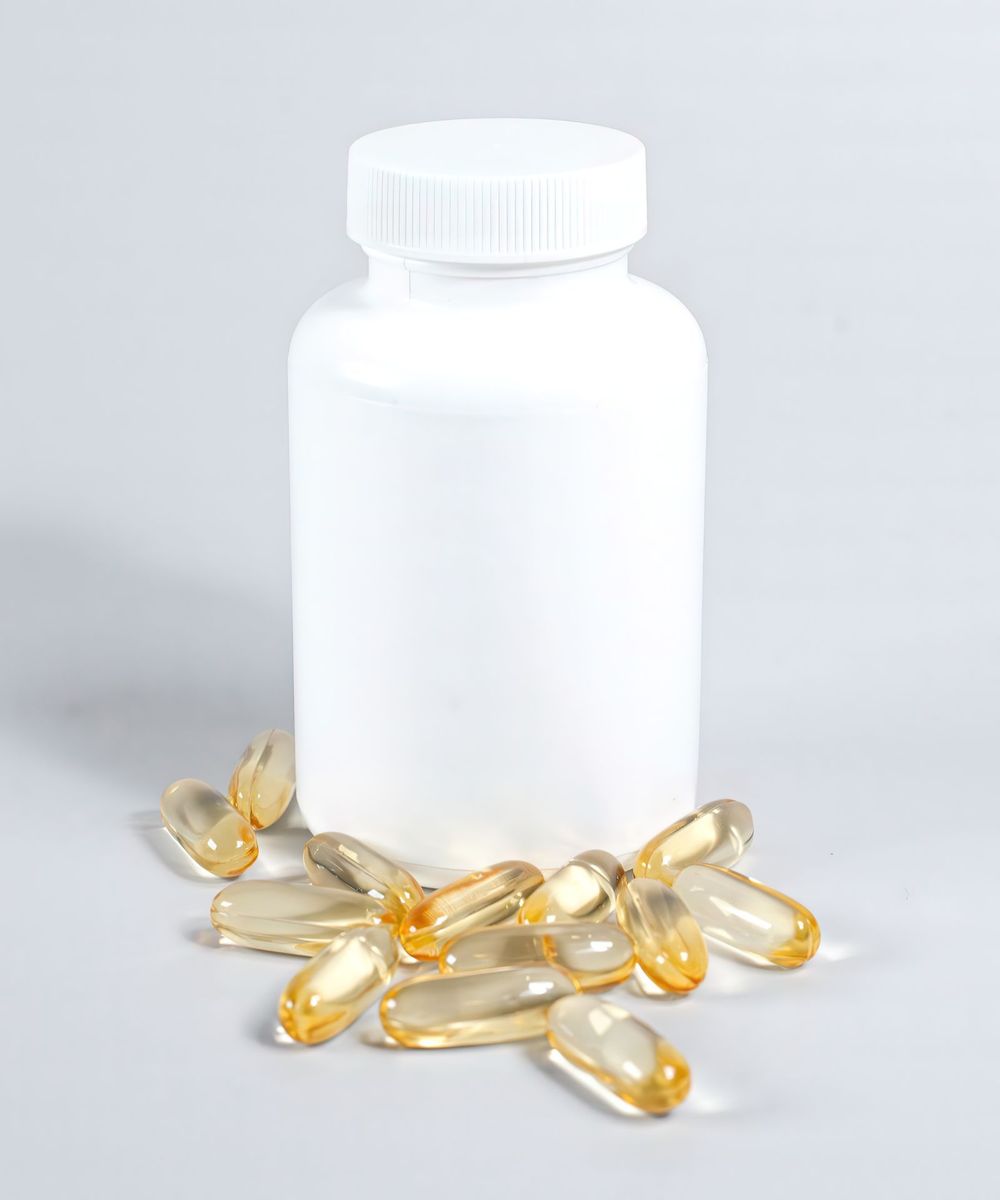
The signs of vitamin D deficiency are frustratingly vague, which is why so many cases go unnoticed. Vitamin D deficiency symptoms in women deserve particular attention: deficiency is common in women after the menopause, during pregnancy, and among women whose clothing or indoor routines limit sun exposure — and tiredness and low mood in women are often put down to stress or hormones rather than a deficiency that a blood test can detect. The most commonly reported signs are frequent colds or slow recovery from illness, tiredness and low mood that gets worse in winter, bone or muscle aches, muscle weakness, hair shedding, and slow wound healing. None of these is specific to vitamin D: tiredness alone has dozens of causes, from poor sleep to thyroid problems to low iron.
Severe, long-term deficiency can cause bone pain and muscle weakness that is hard to ignore, and in children it causes rickets. In adults, very low levels over years contribute to softening of the bones. But mild deficiency often has no obvious symptoms at all, which is why a blood test matters more than a symptom checklist. If several of the signs above apply to you — especially in winter, or if you rarely go outside — ask your doctor for a 25-hydroxyvitamin D test rather than self-diagnosing. The test is simple, widely available, and the only way to know your level for sure.
How long it takes to correct vitamin D deficiency depends on how low your level is and what dose you take. With a standard daily supplement of 1,000–2,000 IU, blood levels usually rise noticeably over 6 to 12 weeks. With a larger dose prescribed by a doctor for a clear deficiency, levels can rise faster, but high-dose treatment should always be supervised and followed by a repeat blood test.
A common mistake is to take a supplement for two weeks, feel no different, and stop. Vitamin D works slowly, and many people with low levels feel no dramatic change even when their blood level improves — because tiredness and low mood have many causes. The goal of correcting deficiency is to restore normal levels and support bone and immune health over the long term, not to feel an instant energy boost. Your doctor will usually recheck your level after two to three months, then agree on a lower maintenance dose. Do not keep taking a high dose indefinitely without a retest.
Vitamin D is safe at recommended doses, and toxicity is rare. Problems come from very high doses taken for a long time: too much calcium in the blood, which can cause nausea, excessive thirst, frequent urination, confusion, kidney stones and kidney damage. The tolerable upper intake level for adults is 4,000 IU per day, and doses above that should only be taken on medical advice, usually for a limited period to correct a deficiency.
It is very hard to get too much vitamin D from sunlight or food — toxicity almost always comes from supplements, often from products that contain far more than the label claims, or from people taking several high-dose products at once. This is another reason to check labels and avoid stacking multiple vitamin D products. If you take a multivitamin, a calcium-plus-D tablet and a separate D3 softgel, add up the total. If you develop persistent nausea, stomach pain or unusual thirst while taking a high dose, stop and speak to your doctor.

Most people can take a standard vitamin D supplement safely, but some groups should talk to their doctor first. People with kidney disease, high blood calcium, sarcoidosis or a history of kidney stones need medical advice before supplementing, because vitamin D raises calcium absorption. People with parathyroid disorders should also be cautious.
Vitamin D can interact with some medicines, including certain diuretics, steroids, and medicines that reduce fat absorption. If you take prescription medicine, mention any supplement to your doctor or pharmacist. Pregnant and breastfeeding women should follow their doctor's advice on dose — vitamin D is important in pregnancy, but high doses should not be taken without guidance. Children need much smaller doses than adults, so never give a child an adult-strength product; use a product made for their age group.
Choosing a supplement is simpler than the shelves suggest. First, pick D3 over D2 unless you need a vegan product, in which case look for lichen-based D3. Second, pick a dose that matches your needs: 1,000 IU is a common maintenance dose, and 2,000 IU is widely used in winter. Third, choose a format you will actually take every day — softgels, tablets and drops all work, and drops are useful if you struggle to swallow tablets or need a flexible dose for a child or older adult.
Fourth, look for quality signals: a reputable brand, third-party testing, and a clear label showing the dose in both IU and micrograms (1,000 IU equals 25 mcg). Avoid products that promise miracle results or contain very high doses without a reason. Finally, take it with your largest meal of the day, because vitamin D is fat-soluble and absorbs better with food. Morning or evening does not matter much — consistency does. Set a routine, such as taking it with breakfast, and keep the bottle somewhere you will see it.
For most adults in northern climates, a simple winter plan covers the essentials: eat oily fish twice a week, choose fortified foods where available, get outside during daylight when you can, and take a 1,000–2,000 IU D3 supplement daily from autumn to spring. If you are over 70, have darker skin, rarely go outside, or have a condition that affects absorption, talk to your doctor about testing your level and adjusting the dose.
In summer, many people can stop supplementing if they spend regular time outdoors, but there is no harm in continuing a modest dose year-round if your doctor agrees — vitamin D at 1,000–2,000 IU daily is well within safe limits for most adults. The key is to treat it as a long-term habit rather than a short fix: a daily supplement, a sensible diet, and a blood test when you are unsure. That combination is unglamorous, but it is what actually keeps your levels in the healthy range.

| Product | Form | Dose | Notes |
|---|---|---|---|
| Doctor's Best Vitamin D3 2000 IU — softgels | Softgel | 2000 IU / day | Common daily dose; take with food. |
| Solgar Vitamin D3 1000 IU — tablets | Tablet | 1000 IU / day | Lower dose, good for maintenance. |
| Natural Factors Vitamin D3 Drops 1000 IU | Liquid drops | Flexible dose | Easy to adjust the dose; good for children and older adults. |
The products below are real products from well-known brands, shown so you can compare forms and doses. Prices and review scores change often — always check the label and the live price before you buy.
Yes. D3 (cholecalciferol) raises and maintains blood levels more effectively than D2 (ergocalciferol), so most experts recommend D3.
It is difficult. Few foods contain much vitamin D — mainly oily fish, egg yolks and fortified foods. Sunlight and, if needed, a supplement are the usual sources.
With your largest meal of the day, because it is fat-soluble. Morning or evening does not matter much — consistency does.
Official guidance is 600 IU daily up to age 70 and 800 IU after 70. Many people take 1,000–2,000 IU daily in autumn and winter. A blood test is the best way to agree on your personal dose with your doctor.
Only a blood test (25-hydroxyvitamin D) can confirm deficiency. Symptoms such as tiredness, low mood and muscle aches are non-specific and have many other causes.
Yes — 1,000–2,000 IU daily is within safe limits for most adults. Many people stop in summer if they spend regular time outdoors, but continuing a modest dose is fine if your doctor agrees.
At recommended doses, no. Problems come from very high doses taken for a long time, which raise blood calcium. People with a history of kidney stones should talk to their doctor before supplementing.
Vitamin B12 deficiency symptoms in women — causes, who is at risk, dosage and treatment.
Read the guide →
Best vitamin D supplement for women over 50 — 10 products tested on dose, form, testing and value.
Read the guide →
Magnesium glycinate vs citrate for sleep — which form is better absorbed, the right dosage and safety.
Read the guide →