Minerals
Magnesium Glycinate vs Citrate for Sleep: Which Form Works Best?
Magnesium glycinate vs citrate for sleep — which form is better absorbed, the right dosage and safety.
Read the guide →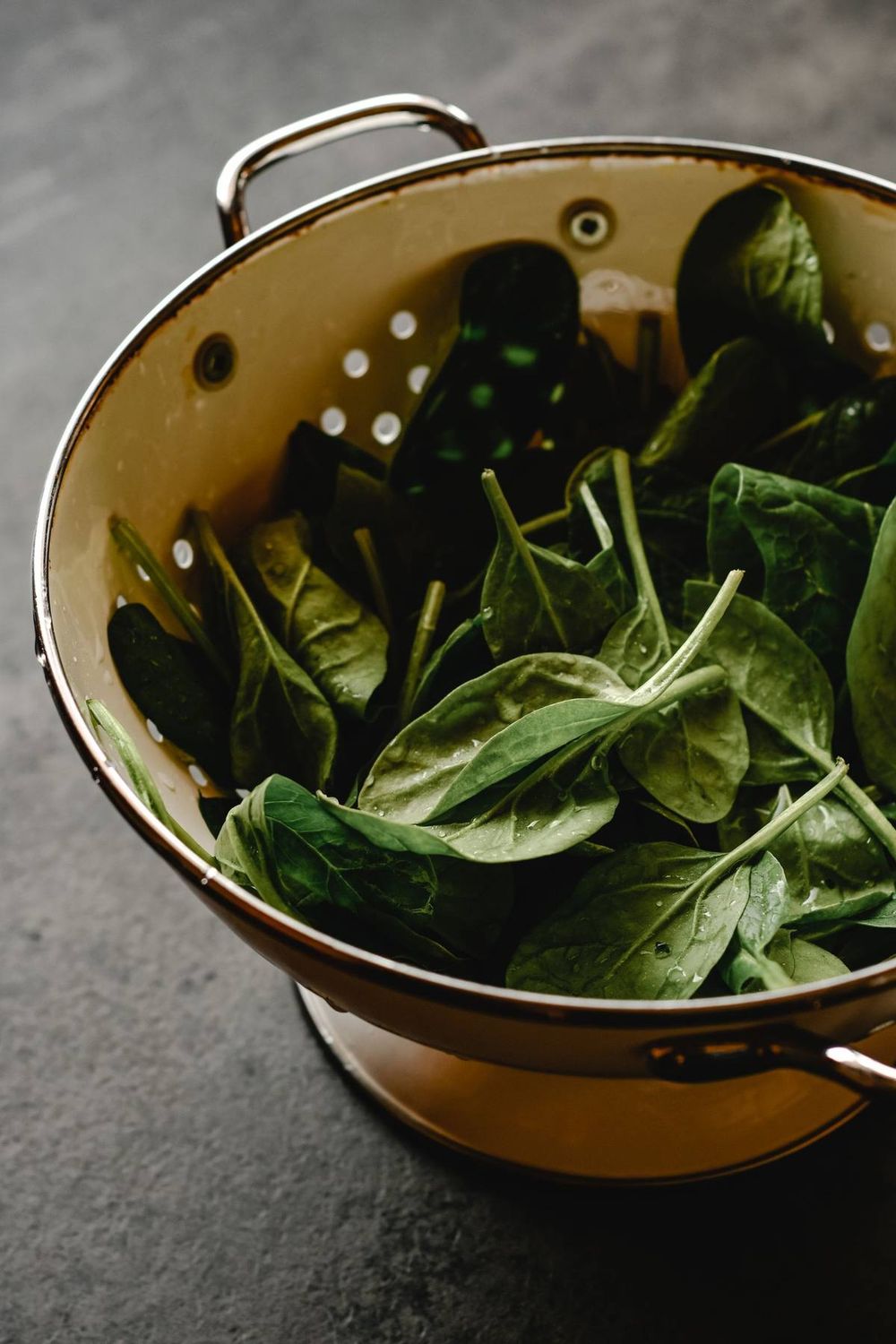
Iron carries oxygen in your blood. When you do not have enough, you feel tired, weak and short of breath — the classic picture of iron-deficiency anaemia. It is the most common nutrient deficiency in the world, and it is especially common in women, children and vegetarians. Yet iron is also one of the few supplements where taking too much is genuinely dangerous, especially for children. This guide explains iron deficiency symptoms in women, how much iron per day you need, the best iron supplement for women with anemia, how to increase iron absorption with vitamin C, and how long it takes to fix a deficiency — with the safety warnings that matter.
Iron is essential for making haemoglobin, the protein in red blood cells that carries oxygen from your lungs to every tissue in your body. It also supports normal energy levels, immune function and brain development in children. Without enough iron, your body cannot make enough healthy red blood cells, and every tissue gets less oxygen — which is why tiredness is the dominant symptom of deficiency.
Iron is also involved in making myoglobin, the protein that stores oxygen in muscles, and in several enzymes that produce energy. In children, iron is essential for brain development, and deficiency in early childhood can affect learning and behaviour. This is why iron deficiency is taken seriously in pregnancy and childhood, and why health authorities recommend testing rather than guessing. Iron supports normal function; it does not cure disease, and taking iron when you are not deficient will not give you more energy — it will only increase the risk of side effects.
Adults need about 8 mg of iron per day for men and 18 mg per day for women aged 19–50. The higher figure for women reflects monthly blood loss. After the menopause, women's needs fall to about 8 mg per day, the same as men. Pregnant women need more — around 27 mg per day — and should follow their doctor's advice, because iron needs in pregnancy are higher and deficiency is common.
These figures are for iron from food, and they assume a mixed diet. Vegetarians need more iron from food, because plant iron is absorbed less well than iron from meat — some authorities suggest vegetarians need almost twice as much. Treatment doses for deficiency are much higher than dietary needs: typically 65–100 mg of elemental iron daily, as prescribed by a doctor. Never take a treatment dose without a blood test, because too much iron is harmful and because tiredness has many causes other than low iron.
Iron deficiency symptoms in women are often put down to being busy, stressed or not sleeping well — which is why deficiency is frequently missed. The classic signs are extreme tiredness and weakness, pale skin, brittle or spoon-shaped nails, headaches, dizziness and shortness of breath, cold hands and feet, and a sore tongue. Unusual cravings for ice or non-food items, known as pica, are a distinctive sign that many people do not connect with iron.
Women are at higher risk because of monthly blood loss, and the risk is higher still with heavy periods, pregnancy, or a vegetarian diet. Teenage girls, women who have recently given birth, and women who donate blood regularly should all be alert to these signs. A blood test measuring ferritin and haemoglobin confirms deficiency — do not self-diagnose from symptoms alone, and do not start high-dose iron on the basis of tiredness alone. If you have heavy periods, mention this to your doctor, because treating the cause matters as much as replacing the iron.
Iron in food comes in two forms. Heme iron comes from animal foods — red meat, liver, poultry and fish — and is absorbed much better than iron from plants, typically around 15–35 percent. Non-heme iron comes from plant foods — beans, lentils, spinach, tofu and fortified cereals — and is absorbed at only about 2–20 percent, depending on what else you eat with the meal.
The best food sources of heme iron are red meat and liver, with poultry and fish providing smaller amounts. The best plant sources are lentils, beans, chickpeas, tofu, spinach and fortified breakfast cereals. For vegetarians, the lower absorption is not a reason to give up — it is a reason to eat iron-rich plant foods at most meals and to use the absorption tricks in the next section. Cooking in a cast-iron pan can also add small amounts of iron to food, particularly acidic foods such as tomato sauce, though the amount varies and it is not a substitute for a good diet.
Vitamin C is the most practical way to increase iron absorption. It converts plant iron into a form the body absorbs more easily, and it can double or triple the absorption of non-heme iron from a meal. The simplest way to use this is to include a vitamin C food with iron-rich meals: orange juice, citrus fruit, peppers, broccoli or tomatoes. A glass of orange juice with a lentil meal, or peppers in a bean dish, makes a real difference.
Just as important is what to avoid with iron-rich meals. Tea and coffee contain compounds that reduce iron absorption significantly, so wait at least an hour after a meal before drinking tea or coffee. Calcium also reduces iron absorption, so do not take iron supplements with milk or calcium tablets, and avoid a large glass of milk with an iron-rich meal if you are trying to correct a deficiency. The same timing rule applies to supplements: take iron with vitamin C, on an empty stomach if you can tolerate it, and at least two hours away from calcium, tea and certain medicines.
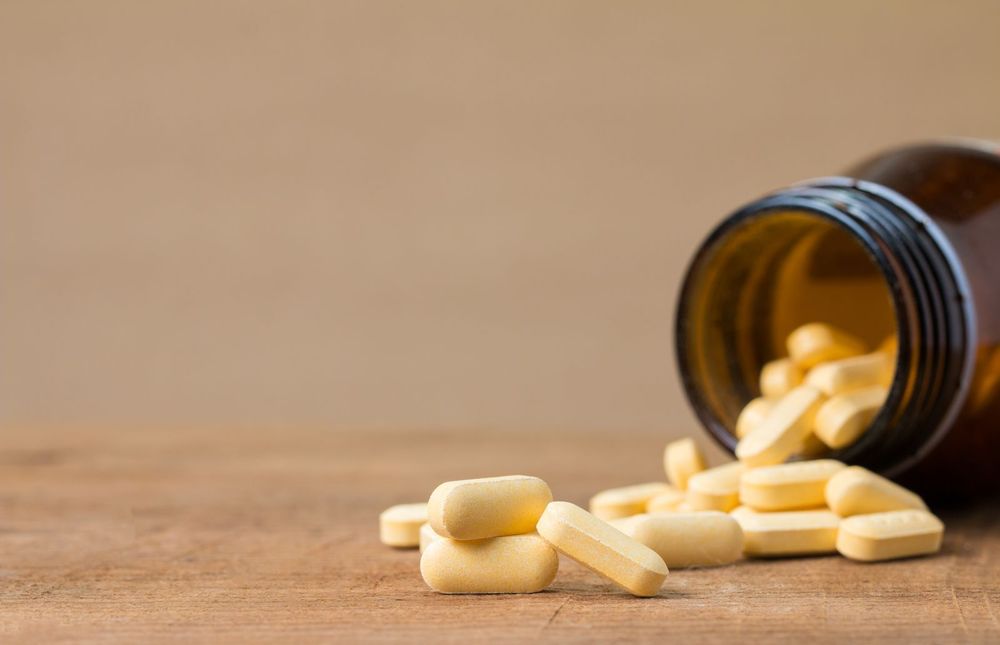
The best-known iron supplement is ferrous sulfate: it is cheap, widely available, and the standard treatment dose in many countries. Its drawback is that it often causes constipation, nausea and stomach pain, and many people stop taking it because of side effects. Iron bisglycinate is well absorbed and easier on the stomach, which makes it a good choice for people who cannot tolerate ferrous sulfate, and for daily low-dose use.
Other forms include ferrous fumarate and ferrous gluconate, which are similar to sulfate in absorption but may be slightly better tolerated, and iron formulas that include vitamin C for better absorption. When comparing products, check the elemental iron — the actual iron content — not the weight of the whole compound: a 325 mg ferrous sulfate tablet contains 65 mg of elemental iron. For a deficiency, your doctor will usually prescribe a treatment dose; for daily maintenance, 18 mg of bisglycinate is a common choice. Whichever form you take, give it time and follow the absorption advice above.
Energy usually improves within a few weeks of starting treatment, but rebuilding iron stores takes 3–6 months of treatment. Your doctor will recheck your blood levels — usually haemoglobin first, then ferritin — to confirm that stores are being rebuilt. It is important to continue treatment for the full period your doctor recommends, even if you feel better after a month: stopping early is the commonest reason for deficiency coming back.
If your levels do not improve, your doctor will look for the cause: poor absorption, ongoing blood loss, or not taking the supplement correctly — for example, taking it with tea, milk or calcium, which block absorption. In some cases, iron infusions are used when oral iron does not work or cannot be tolerated. If you are being treated for deficiency, keep a simple note of when you take your iron and what you take it with, so you and your doctor can see whether timing is the problem.
Iron supplements commonly cause constipation, dark stools, nausea and stomach pain. Dark stools are harmless and expected, but constipation is the reason most people stop treatment. Bisglycinate is usually gentler than ferrous sulfate, and taking iron with a small meal rather than on an empty stomach can help, though it reduces absorption slightly. Drinking enough water, eating fibre-rich foods and staying active all help with constipation.
If constipation is severe, talk to your doctor rather than stopping treatment silently — they may switch the form, lower the dose, or suggest taking iron every other day, which some studies suggest is absorbed just as well and causes fewer side effects. Nausea can be reduced by taking iron with food or before bed. If you develop severe stomach pain, vomiting or black tarry stools that are different from the usual darkening, seek medical advice promptly, because these can be signs of a problem that needs attention.
Iron is unusual among supplements because too much is genuinely dangerous. People with haemochromatosis — a condition in which the body absorbs too much iron — must not take iron supplements, and need regular monitoring. Men and postmenopausal women rarely need iron supplements unless a blood test shows deficiency, because they do not lose iron monthly and their stores tend to be adequate.
Iron overdose is dangerous, especially for children: a small number of iron tablets can be life-threatening for a young child. Keep iron supplements locked away from children, in a child-resistant container, and out of reach — not in an open pill box on a kitchen counter. Never take high-dose iron without a blood test and medical advice, and never give iron supplements to a child unless a doctor has advised it. If a child swallows iron tablets, seek emergency medical help immediately, even if they seem well.
First, get a blood test. Iron should not be taken at treatment doses without confirming deficiency, because the symptoms overlap with many other conditions and because excess iron is harmful. If deficiency is confirmed, your doctor will advise the dose and form. For women with anemia caused by deficiency, the best iron supplement for women with anemia is usually the one your doctor prescribes at a treatment dose — most often ferrous sulfate or bisglycinate — taken consistently for 3–6 months, because the form matters less than the dose, the duration, and whether you can tolerate it. For most people, that means ferrous sulfate or bisglycinate at a treatment dose for several months, followed by a retest.
For daily maintenance, if your doctor agrees you need it, choose iron bisglycinate at 18 mg, or an iron-plus-vitamin-C formula, and take it with a small amount of vitamin C-rich food or juice. Check whether your multivitamin already contains iron — many do, and you may not need a separate tablet. Avoid products that combine iron with calcium in the same tablet, because calcium blocks iron absorption. Finally, store iron safely, take it consistently, and keep your follow-up blood test appointment — that test is what tells you whether the treatment has worked.

Athletes, especially endurance runners, have higher iron needs than the general population. Exercise increases iron loss through sweat and through the breakdown of red blood cells in the feet during running, and women athletes are at particular risk because monthly blood loss adds to exercise losses. This is why tiredness and poor performance in runners should always raise the question of iron — but only a blood test can answer it.
If you are an athlete and feel unusually tired, get your ferritin and haemoglobin checked before taking iron. Taking iron when you do not need it will not improve performance and can cause side effects. If deficiency is confirmed, your doctor will advise on dose and duration, and will usually recheck your levels after a few months. Eating iron-rich foods with vitamin C after training, and avoiding tea or coffee with those meals, is a practical habit for athletes. Vegetarian athletes should be especially careful, because plant iron is absorbed less well and their needs are already higher.
| Product | Form | Dose | Notes |
|---|---|---|---|
| Solgar Gentle Iron (iron bisglycinate) 25 mg | Capsule | 25 mg / day | Gentle on the stomach; good for daily use. |
| Nature Made Iron 65 mg (ferrous sulfate) | Tablet | As prescribed | Standard treatment dose; can cause constipation. |
| MegaFood Blood Builder (iron + vitamin C) | Tablet | 26 mg iron + vitamin C | Vitamin C included for better absorption. |
The products below are real products from well-known brands, shown so you can compare forms and doses. Prices and review scores change often — always check the label and the live price before you buy.
Red meat, liver, beans, lentils, spinach and fortified cereals. Heme iron from animal foods is absorbed much better than iron from plants — vitamin C with the meal helps plant iron absorb.
Energy usually improves within a few weeks, but rebuilding iron stores (ferritin) takes 3–6 months of treatment. Your doctor will recheck your blood levels.
About 18 mg per day for women aged 19–50, and 8 mg per day after the menopause. Pregnant women need around 27 mg and should follow their doctor's advice.
Iron bisglycinate is usually gentler than ferrous sulfate. Taking iron with a small meal, drinking enough water and eating fibre also help. Ask your doctor before switching.
Tea and coffee reduce iron absorption significantly. Wait at least an hour after taking iron or eating an iron-rich meal before drinking them.
At dietary doses it is safe for people who need it, but high-dose iron should only be taken when a blood test has confirmed deficiency. Too much iron is harmful, especially for children.
Dark stools are a normal, harmless effect of iron supplements. Black tarry stools that look different from usual, or stools with blood, should be checked by a doctor.
Magnesium glycinate vs citrate for sleep — which form is better absorbed, the right dosage and safety.
Read the guide →
Zinc deficiency symptoms in women — causes, dosage, immune benefits and the best forms.
Read the guide →
Best magnesium supplement for sleep and anxiety — 10 products compared on form, absorption and value.
Read the guide →